57 Years
The journey hasn’t always been clear—market shifts, economic slowdowns, and fluctuating metal prices have all shaped our path. Yet, through every challenge and every opportunity, we have persevered. And we’re not done yet.
As we reflect on the past 57 years, we take pride in the progress we’ve made and the impact we continue to build.
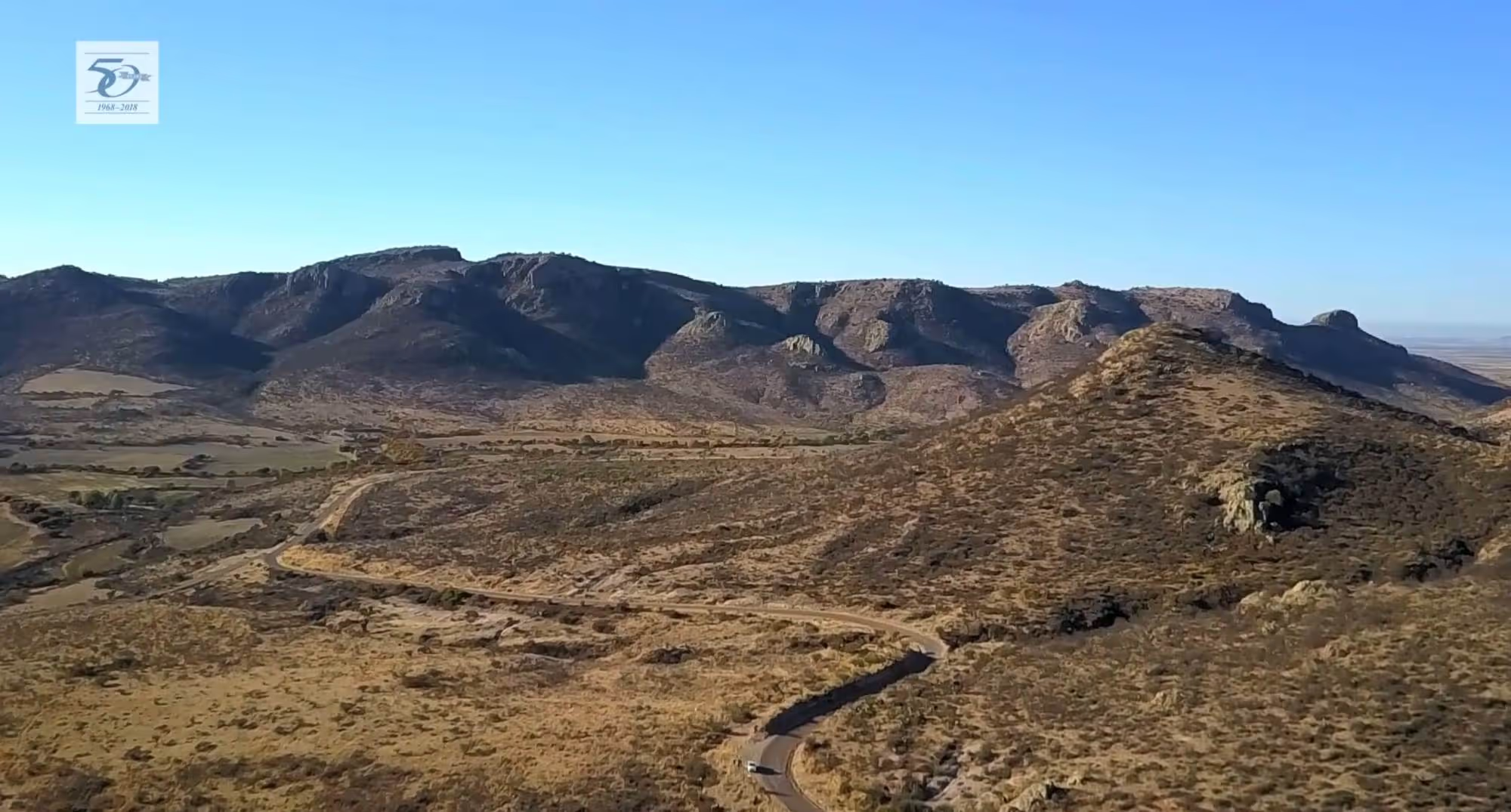

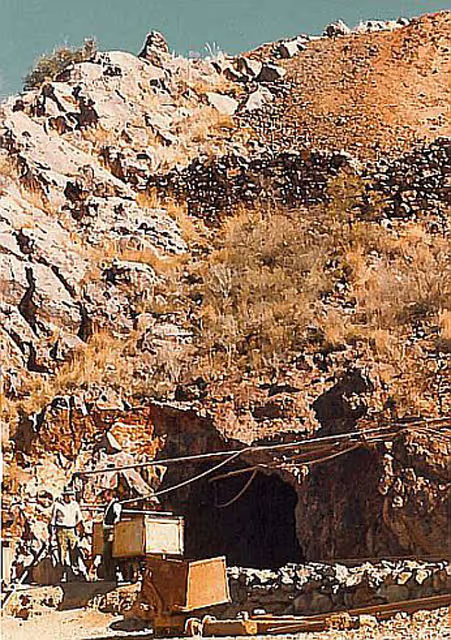
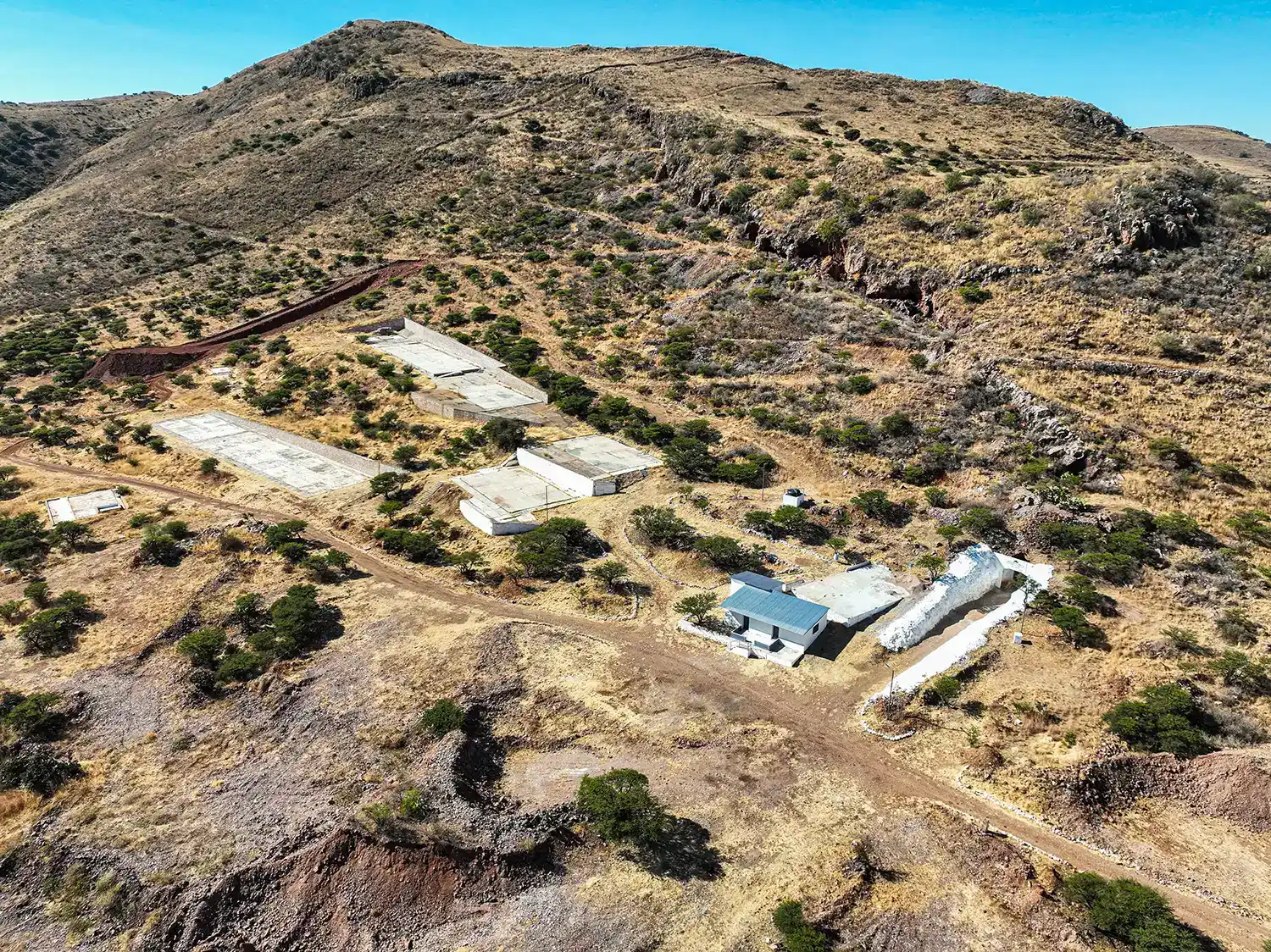
In 1562, Francisco de Ibarra was appointed governor of the newly formed province of Nueva Vizcaya in the Viceroyalty of Nueva España (New Spain) and, in 1563, founded the town of Durango. Francisco de Ibarra led several expeditions in search of silver deposits in the region and is recognized as having established Minas de Avino, present-day Avino Mine; San Martín, Durango; and Pánuco, Sinaloa. Mining operations at the Avino Mine are said to have commenced in 1562–1563 and have been in production until the early 1900s.
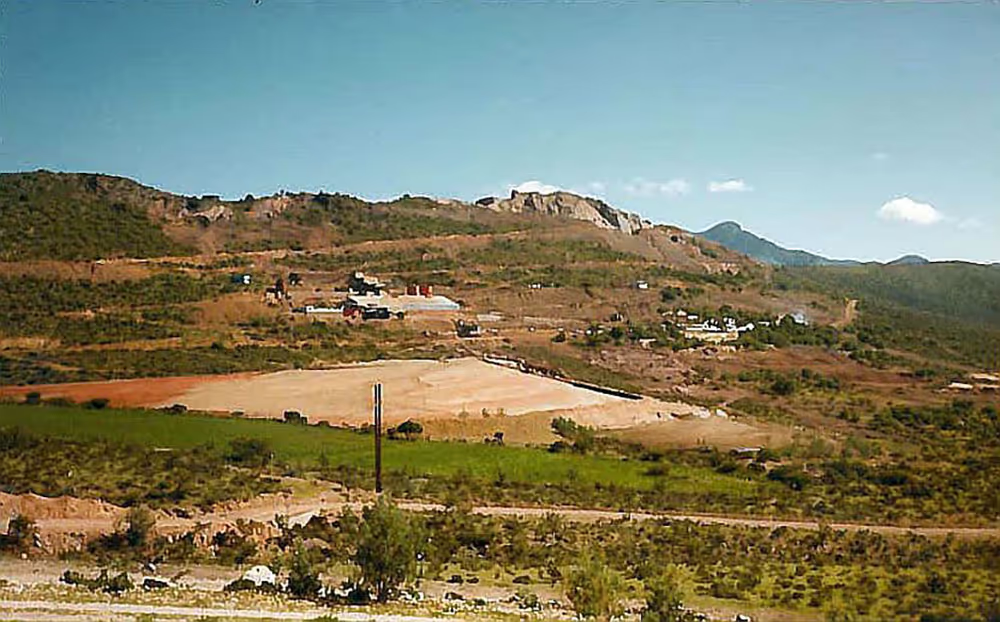
The introduction of more modern industrial technology helped the Avino Mine develop into a significant mining operation at the beginning of the 20th century. By 1908, the Avino Mine was considered one of the largest open pit mines in the world and equipped with one of the largest lixification smelters (Gallegos 1960; VSE 1979; Slim 2005d).
During the early phases of the Mexican Revolution in 1910, proceeds from the mine supplied funds to the revolutionary forces. Since much of the fighting occurred in and around Durango, and the risk posed by brigands hiding in the mountains was high, the mine was abandoned in 1912. Between 1912 and 1968, the mine was worked intermittently on a small scale (Avino Annual Report 1980).
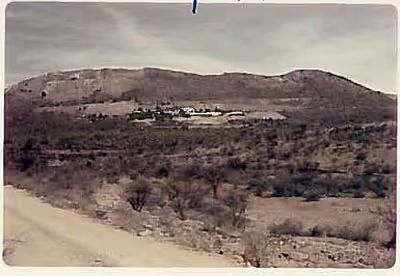

In 1967, a chance meeting between Fernando Ysita and Louis Wolfin reignited the Avino mine. Ysita’s account of the property led Wolfin to send geologist Don Cannon to Durango—who, instead of an undeveloped prospect, found a once-operating mine. Recognizing its potential, Wolfin soon traveled there himself.
Soon after, the Ysita family (51%) and Avino Mines of Vancouver (49%) formed Cia Minera Mexicana de Avino, securing property and mineral rights. The ownership split complied with Mexico’s 1961 constitutional amendment, which limited foreign ownership in mining ventures to 49%, reaffirming national control over mineral resources.
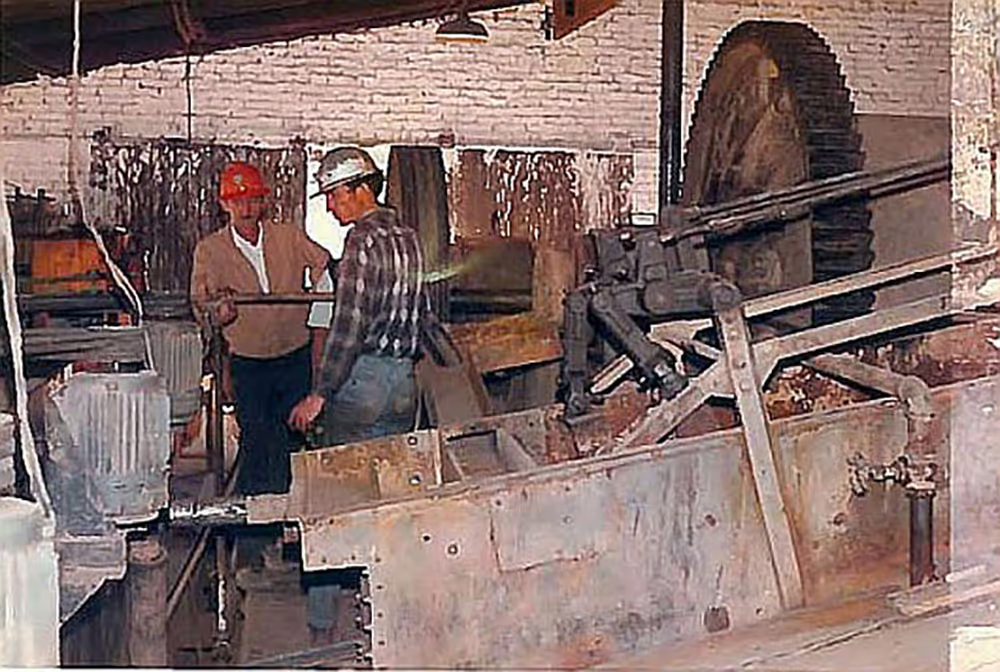
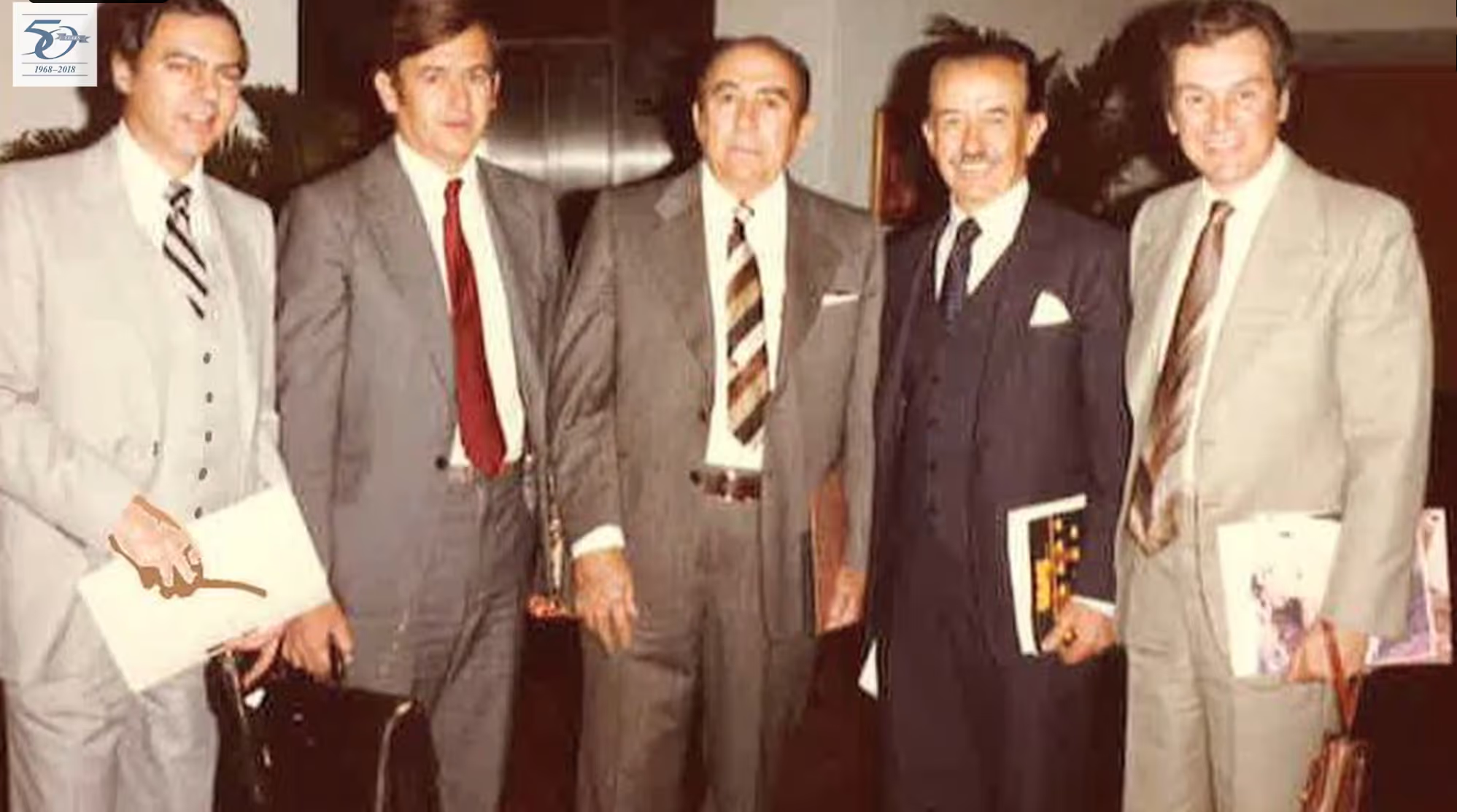
Following an upsurge in metal demand, metals prices made an exceptional recovery with silver and gold posting record highs. Avino’s fortunes rapidly changed; it now became imperative to act. With the aid of the Seridan Group, a Canadian firm which supplied the development capital and engineers to operate the mine, Avino’s future was determined.
By the Spring of 1974, the Avino mine was once again back in production. Rather than focusing on the copper content as had been the practice in the past, the directors came to realize the real value of the property lay in the silver reserves.
Open-pit production was continuous and by 1986 had produced concentrates containing 3.7 million ounces of silver and 12,500 ounces of gold. Subsequent to 1987, record keeping improved and reports show that between 1987 and 1992, 1.14 million tonnes were treated recovering an additional 4.2 million ounces of silver and 19,100 ounces of gold. Production continued from the Avino vein by ramp accessed underground mining until 2001 when changing economics resulted in the closure of the operation.
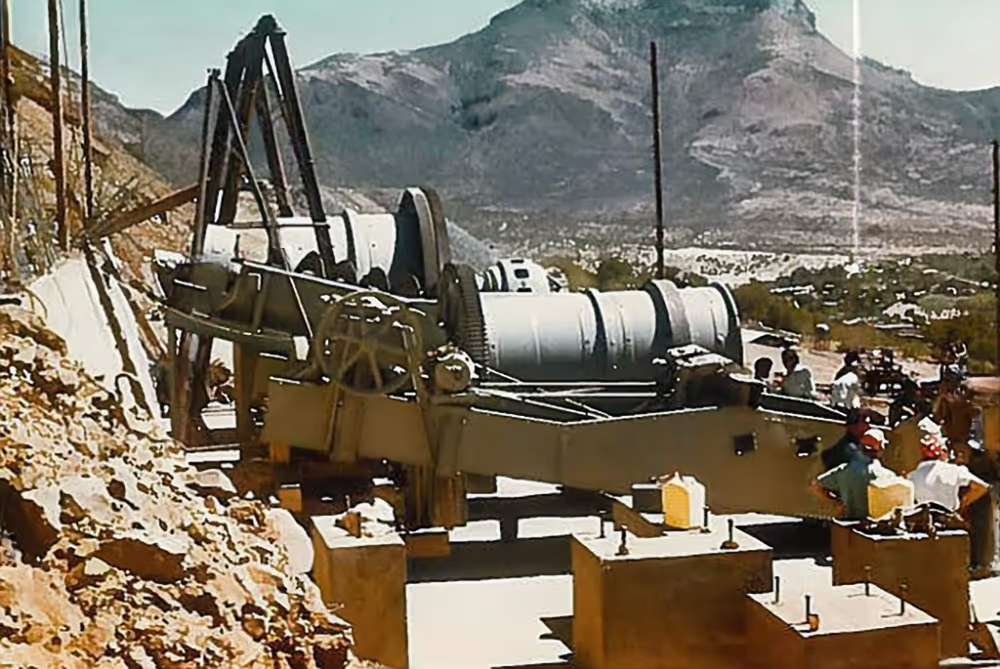
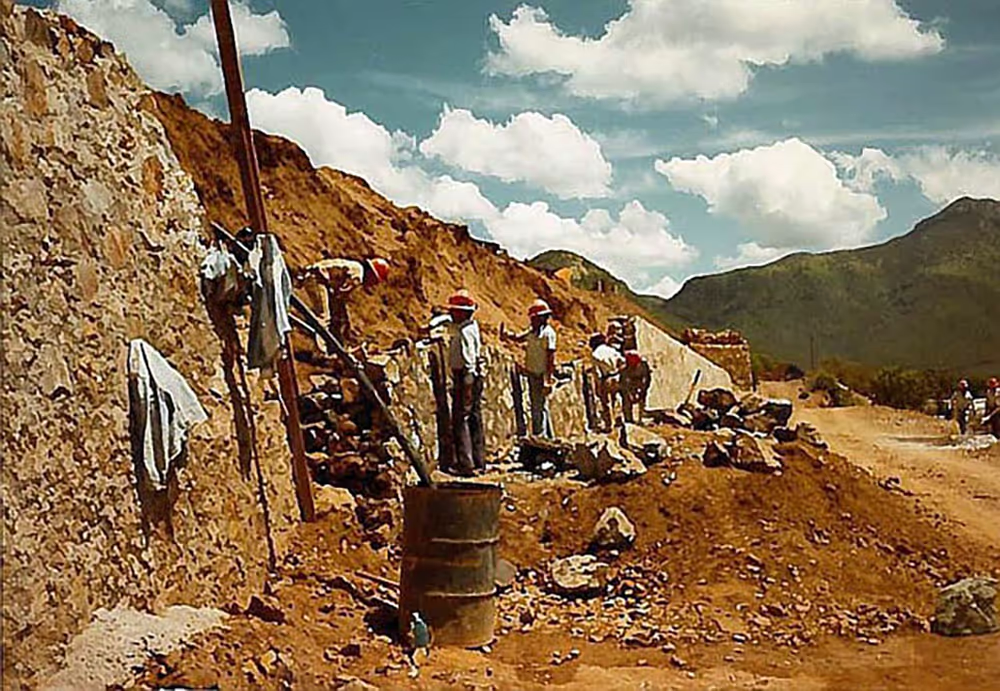
In 1994 the North American Free Trade Agreement (NAFTA) was implemented and the Mexican Peso was devalued. Because of low metal prices and a devalued Peso many walked away from toiling in the earth, shutting down their mines and finding new livelihoods.
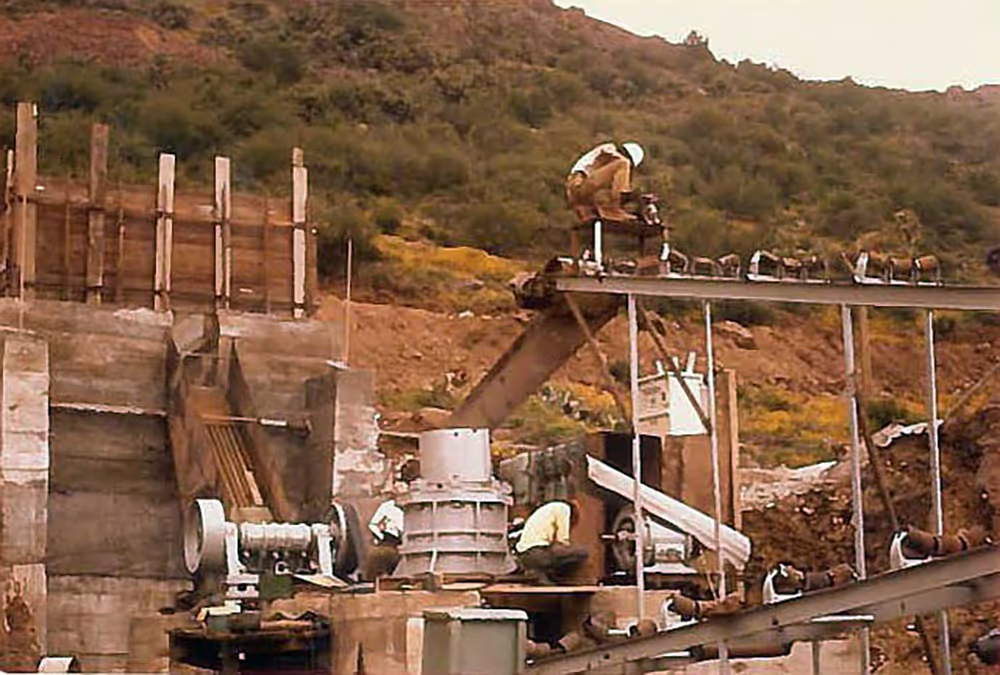
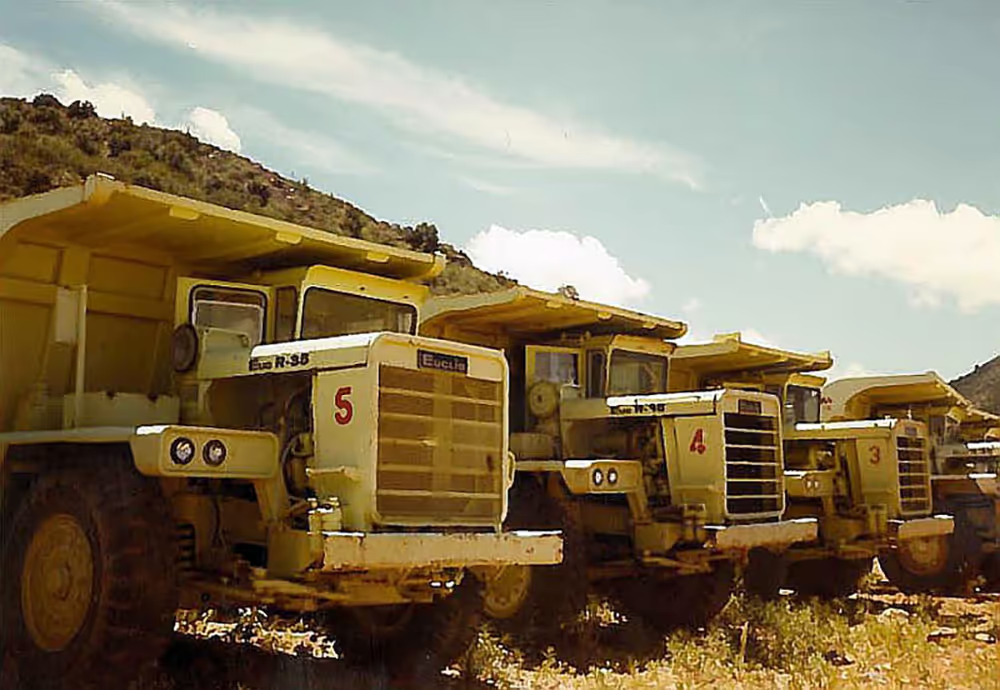
2001 -The collapse of commodities prices (including copper and silver) and the devalued peso. Avino mine being placed on care and maintenance.
2006 - Avino bought the remaining 51% interest of Cia Minera Mexicana de Avino; finally taking full control of the property
In 2008, after drilling 40 holes, a maiden resource calculation was completed by Orequest consultants on the then-explored portion of the San Gonzalo vein. Results from the report and preliminary metallurgical test work were favourable.
In 2008, Avino commissioned a re-build of the milling facility in anticipation of mining at San Gonzalo. By August 2010 the mill was back online. The facility, with an independently assessed replacement value of more than US$40 million.
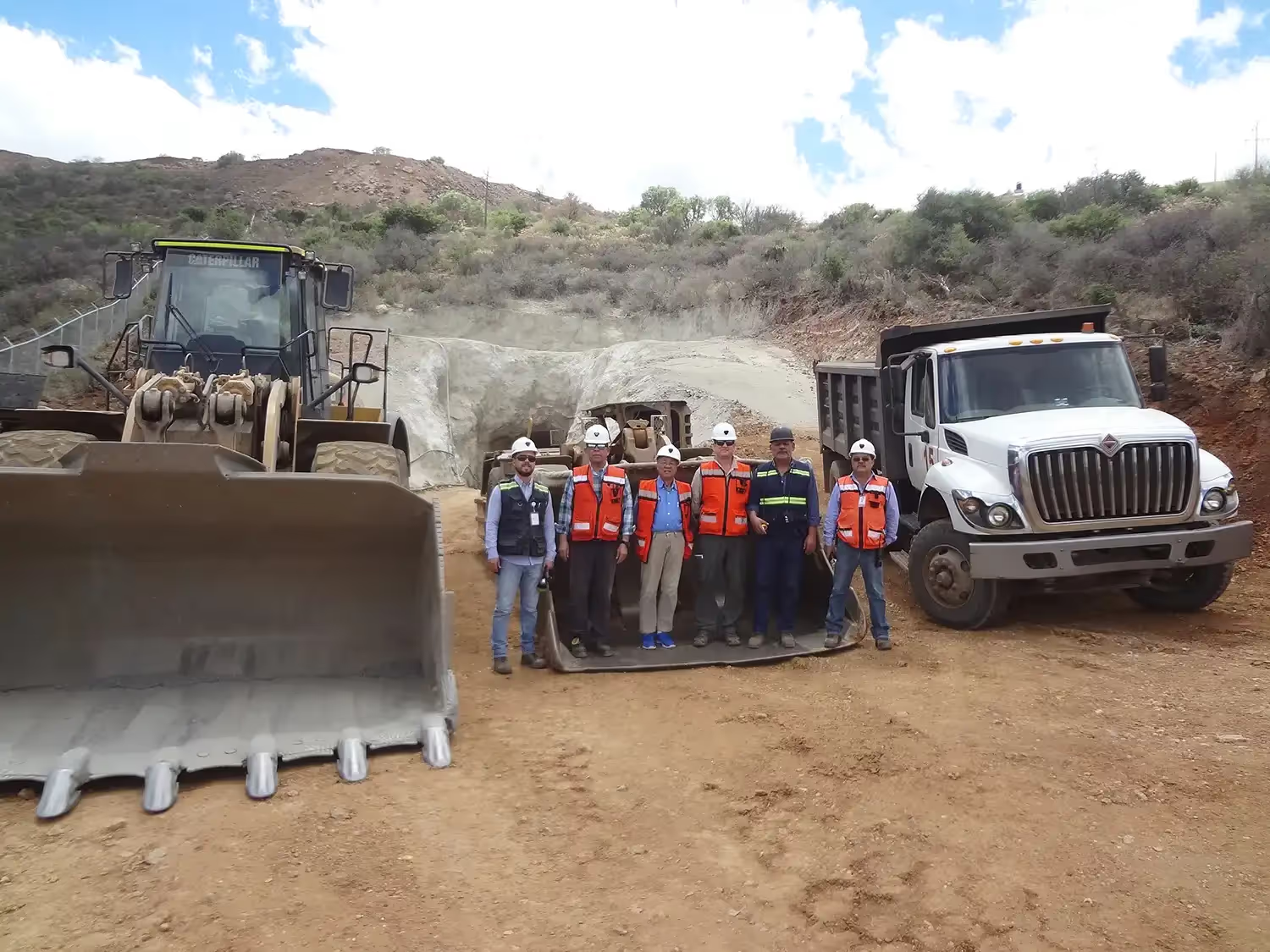
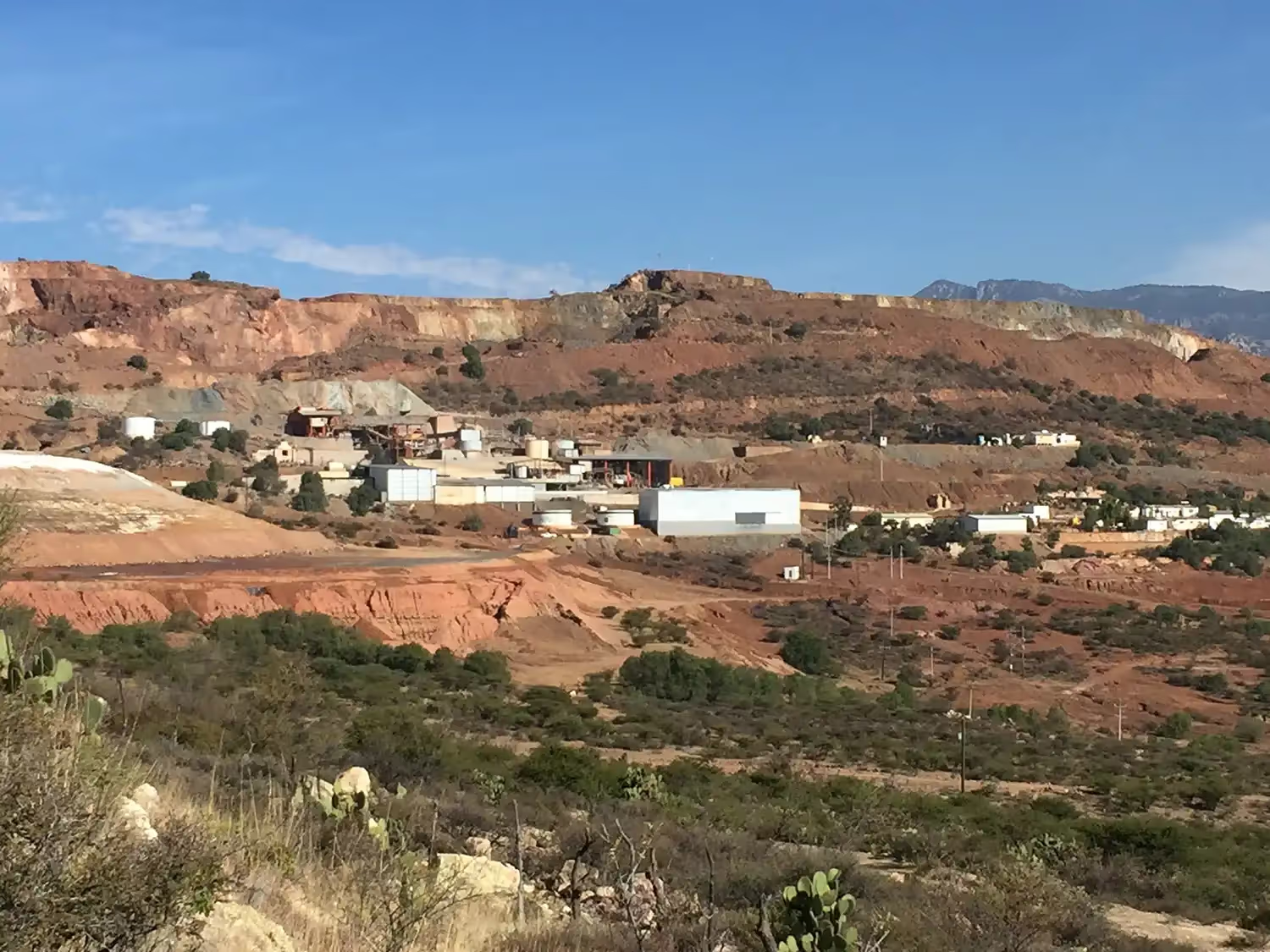
2011 - The company completed the bulk sample program in April 2011, producing 232 dry tonnes of flotation concentrate. The results of the program showed a feed grade of 261g/t silver and 0.9g/t gold.
Pursuant to a new royalty agreement completed in Feb 2012, Avino began development to re-open the main Avino Mine where underground mining stopped in 2001. A new resource estimate was published in July 2013 which included drilling from 2007, 2008 and 2012. The company completed de-watering the mine in 2014 and resumed full scale operations on January 1, 2015.
2019 - Sold Bralorne Mine
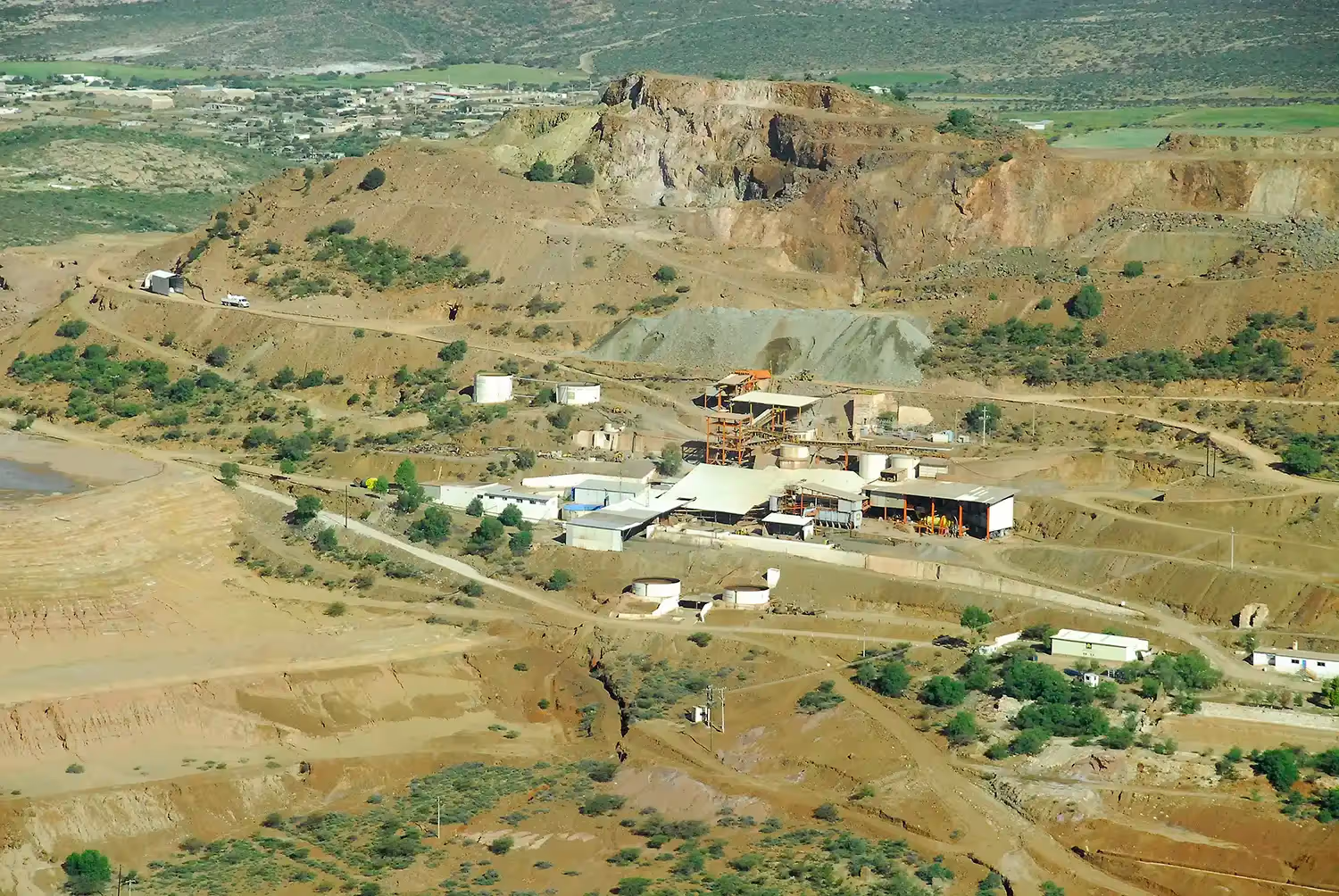
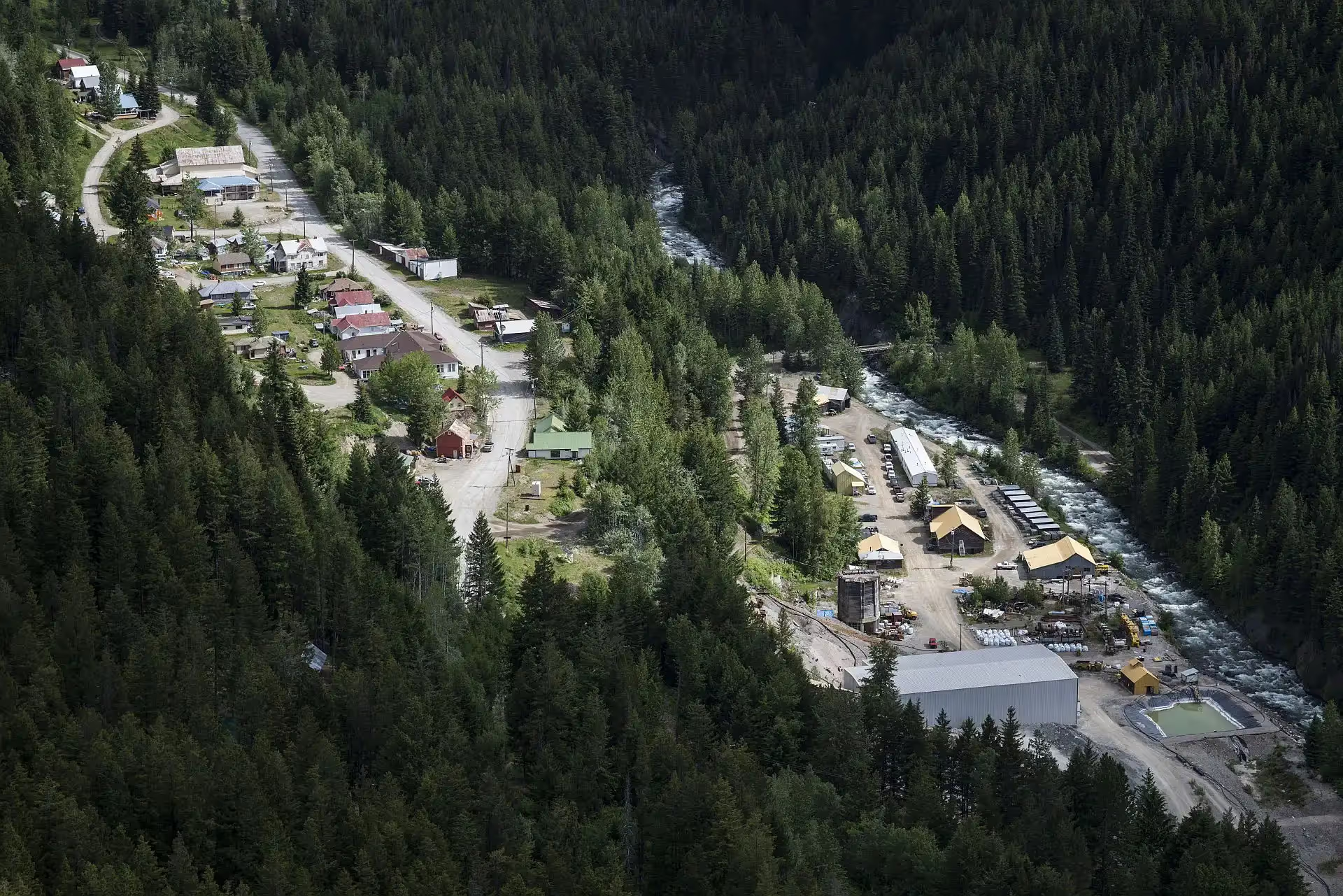
2022 - Acquisition of La Preciosa
2024 - Pre Feasibility Study on the Oxide Tailing Project was completed
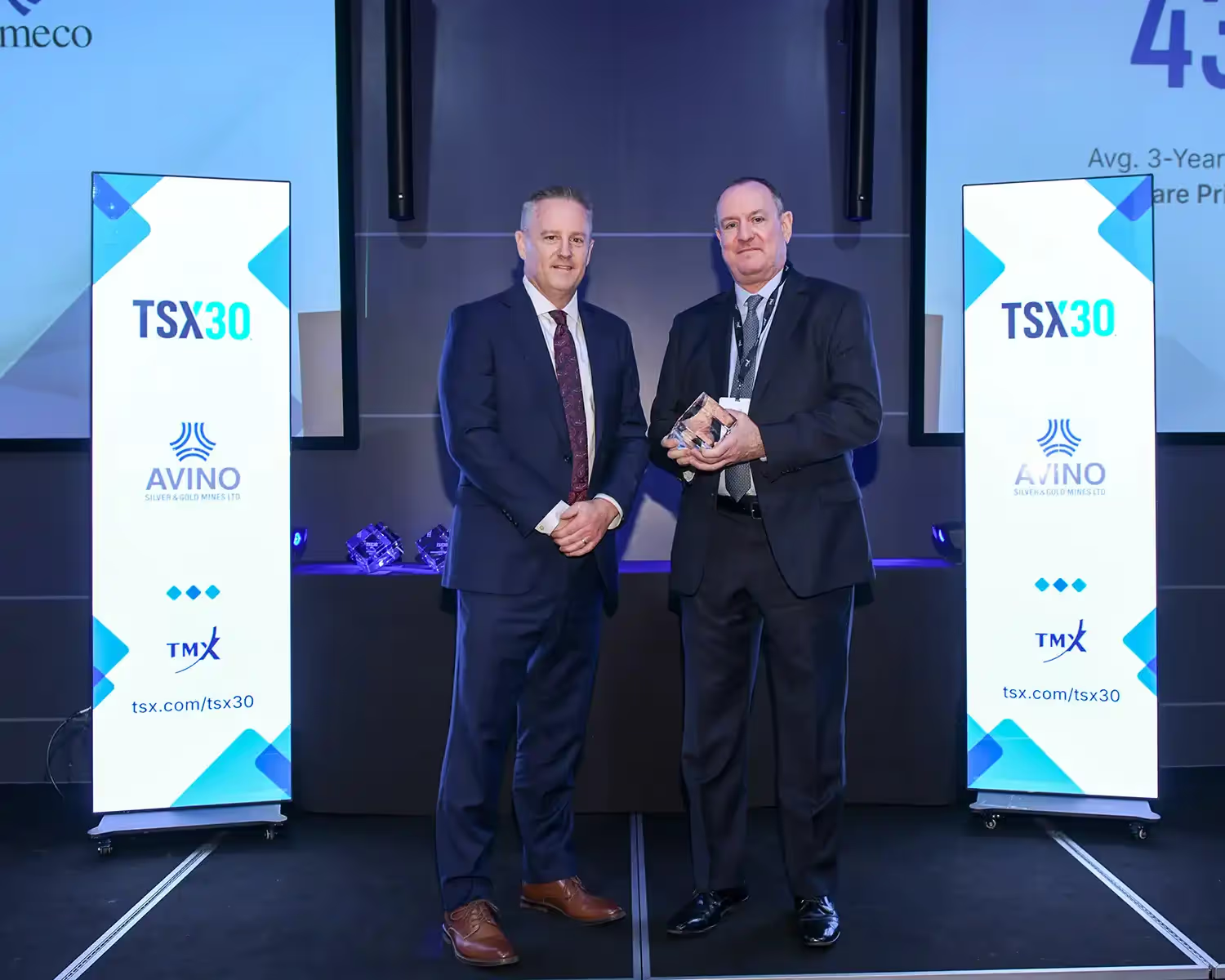
2025 - Avino Achieves TSX30 2025 Inclusion; Recognized for Outstanding Performance